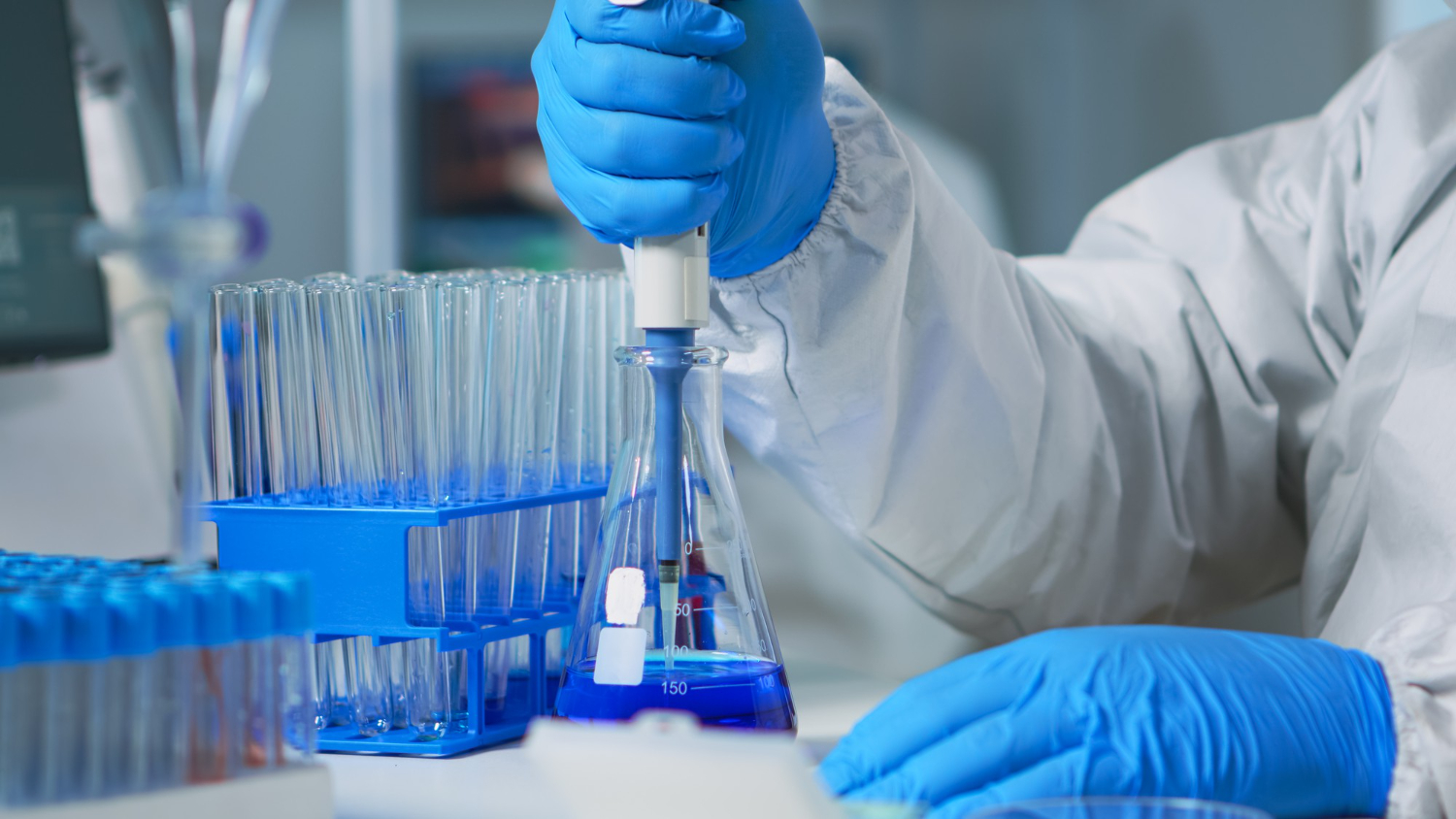
Synthetic peptides have become essential tools in laboratory research due to their ability to interact with specific molecular pathways under controlled experimental conditions. At Peak Performance Plus+, we provide a range of peptides specifically for research use only, ensuring that scientists and research institutions can safely explore cellular and molecular processes without the risks associated with unregulated application.
Peptides are short chains of amino acids that can model specific protein interactions, signaling pathways, and molecular mechanisms in vitro. Researchers often use compounds such as BPC-157, TB-500, and GHK-Cu to study tissue regeneration, immune responses, or cellular communication in a controlled laboratory setting. These studies are foundational for understanding biological systems, without implying human or animal applications.
Using research-grade peptides from a compliant supplier ensures that:
At Peak Performance Plus+, every peptide is provided with clear documentation and transparency to support accurate laboratory study while maintaining regulatory compliance.
Synthetic peptides are valuable tools for advancing molecular, cellular, and regenerative research. By sourcing products from Peak Performance Plus+, research professionals gain access to reliable, properly labeled compounds for safe and controlled experimental use.